Gear & Logic: Applied Physics and Mathematics

We translate the complex formulas of physics and mathematics into actionable optimizations for your hardware, software, and daily mechanics. Whether you are calibrating an autonomous drone’s IMU sensor or tuning your mountain bike’s suspension, stop relying on guesswork. Discover data-driven guides and mathematical frameworks designed for makers, developers, and engineers who demand precision.

Hardware & Mechanical Calibration
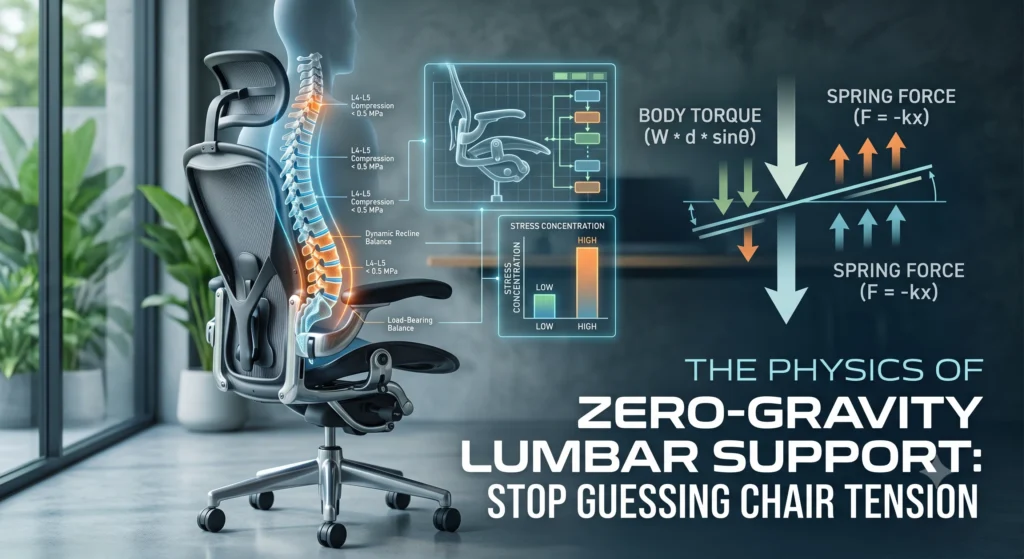
A technical illustration superimposed on a modern ergonomic office chair, showing a human spine glowing with correct lumbar support curves and integrated data labels.
Dialing in the perfect recline equilibrium: Visualizing Body Torque vs. Spring Force for high-end office chairs like Herman Miller and Steelcase.
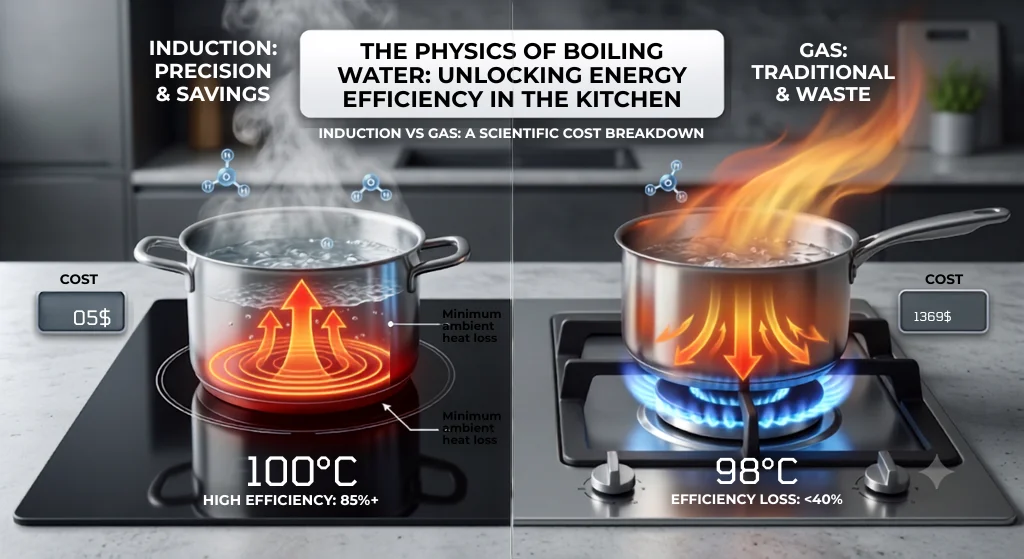
Comparative infographic showing water boiling on a high-efficiency induction cooktop versus a traditional gas burner, highlighting molecular heat transfer and thermal loss metrics for energy savings.
A scientific cost and efficiency breakdown comparing induction heating (85%+ efficient) with gas combustion (<40% efficient) for homebrewing and culinary applications.
A split infographic comparing an efficient smart-controlled ceramic heater (left) with optimized energy usage, against an inefficient oil radiator (right) labeled as a "progressive rate trap" causing money to burn.
Visualizing the impact of smart energy management (left) versus unmonitored high-wattage heating (right) on your electricity bill’s progressive tiers.
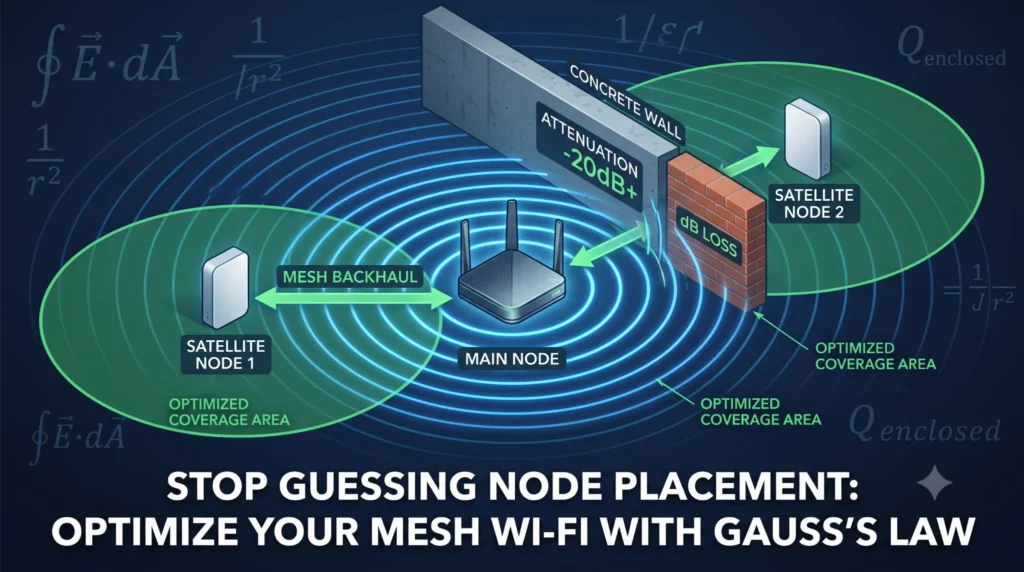
An infographic visualizing how Gauss's Law and material attenuation affect Wi-Fi signals in a home, showing how to place mesh nodes to eliminate dead zones.
A visualization of electromagnetic flux density loss through walls and a strategic mesh network layout.
Infographic comparing optimized versus inefficient aquarium water change setups, illustrating Torricelli's Law ($v=\sqrt{2gh}$) and a 50% reduction in drainage time using wide-diameter hoses and maximum vertical drop.
Visual comparison of standard (inefficient) vs. optimized gravity-fed aquarium siphons. The optimized setup utilizes a massive vertical head drop and larger tubing diameter to instantly cut drainage time by 50% without electric pumps.
A split-screen illustration optimizing Wi-Fi extender placement using physics: Left side shows a user experiencing a disconnected signal in a dark bedroom with a weak router icon; Right side shows a warm home environment where a Wi-Fi extender is correctly positioned, radiating healthy signals into the same bedroom, alongside a diagram visualizing the Inverse-Square Law and signal attenuation markers (100% to 25% to 11%).
Confused by weak Wi-Fi? Our technical guide uses basic physics, like the Inverse-Square Law, to help you find the ‘sweet spot’ for your extender and eliminate dead zones.
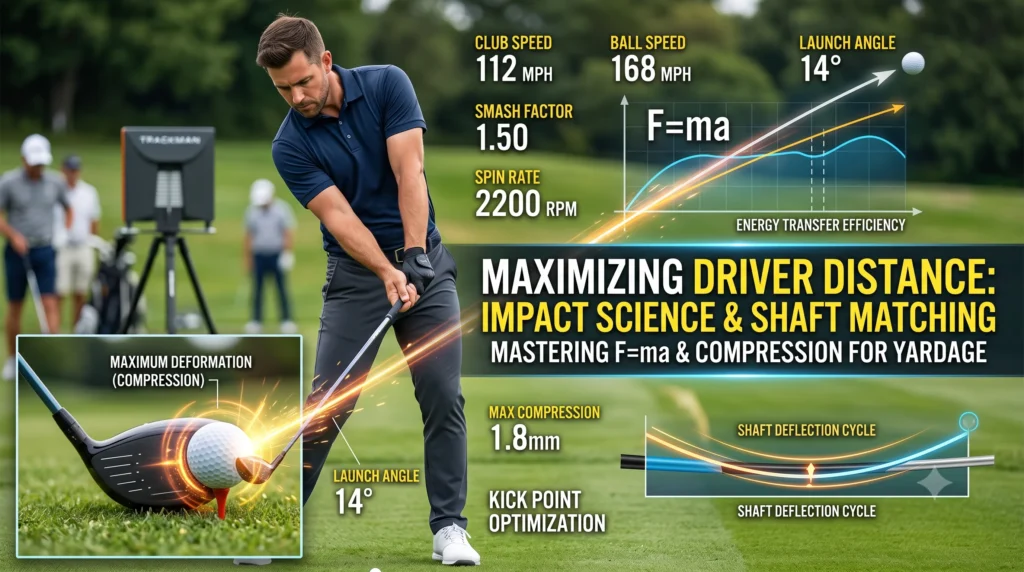
A dynamic thumbnail combining a modern golfer at driver impact with data overlays showing a high Smash Factor of 1.50 and optimized ball compression, illustrating optimized driver distance science.
The intersection of physics and performance: Maximizing driver yardage requires balancing force (F=ma) and ball compression.
Close-up of a Fox Float X2 Factory rear shock compressing on a Specialized Enduro mountain bike during a dynamic ride through a rugged, rock garden trail, with a blurred rider and sharp focus on the shock stanchion and sag O-ring.
Perfecting rear shock sag to 25-30% ensures continuous tire contact and traction on chaotic rock gardens.
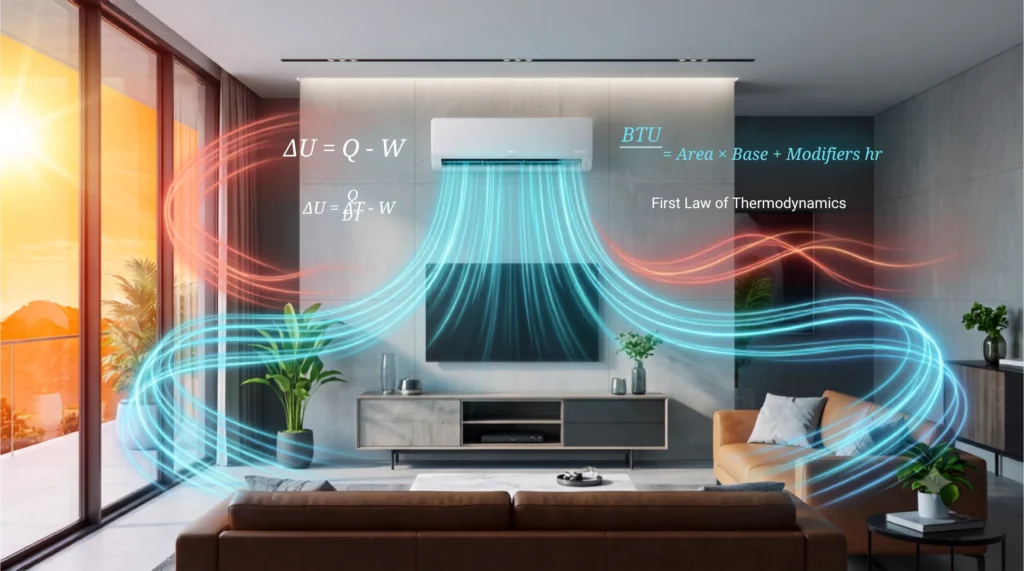
A visual explanation of air conditioner sizing physics showing hot external heat entering a modern living room and being efficiently countered by optimized cool blue energy trails from a premium AC unit, with thermodynamics equations floating in the air.
Optimizing AC capacity: Visualizing the balance between external heat load (red) and optimal cooling output (blue) based on thermodynamics.
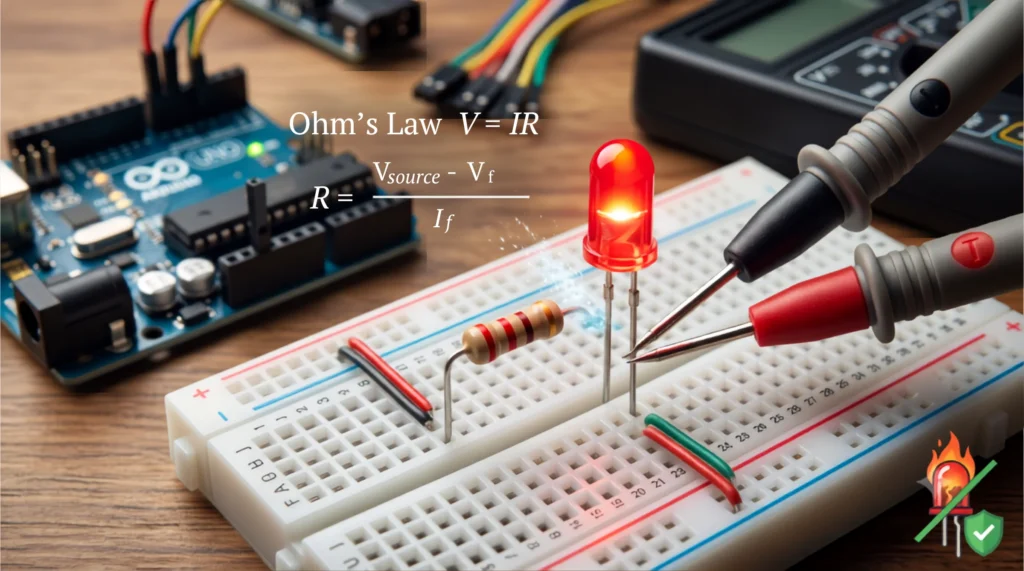
A close-up view of a glowing red LED on a breadboard circuit, protected from burning out by a correctly calculated resistor, with subtle technical overlays of Ohm's Law and a resistance formula.
Saving your LEDs: The crucial role of a current-limiting resistor, mathematically determined.
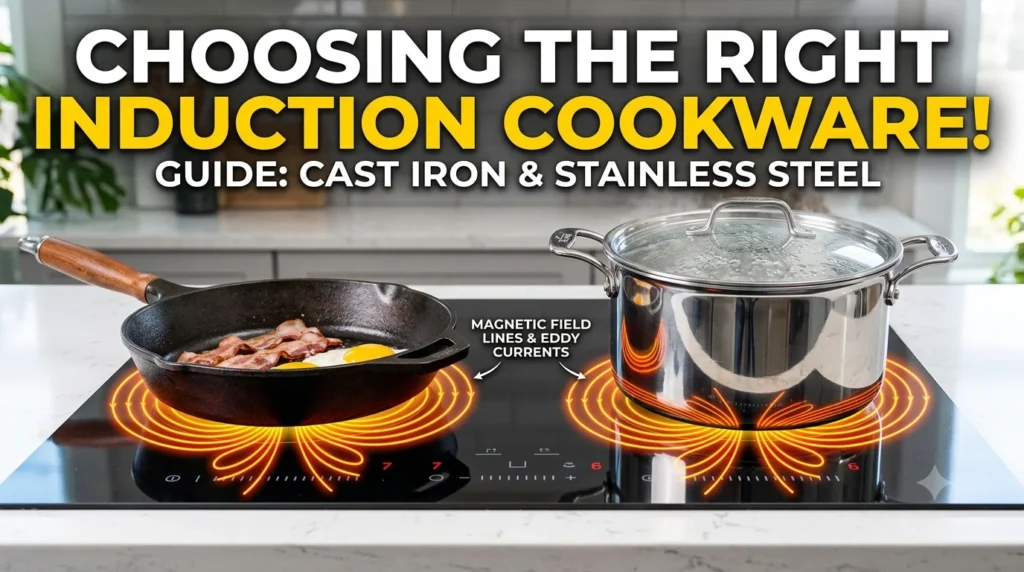
Modern induction cooktop with enameled cast iron skillet and multi-ply stainless steel pan illustrating glowing electromagnetic magnetic flux lines and eddy currents at the base.
Understanding how magnetic field lines and eddy currents under your cookware determine induction heating speed and energy efficiency.
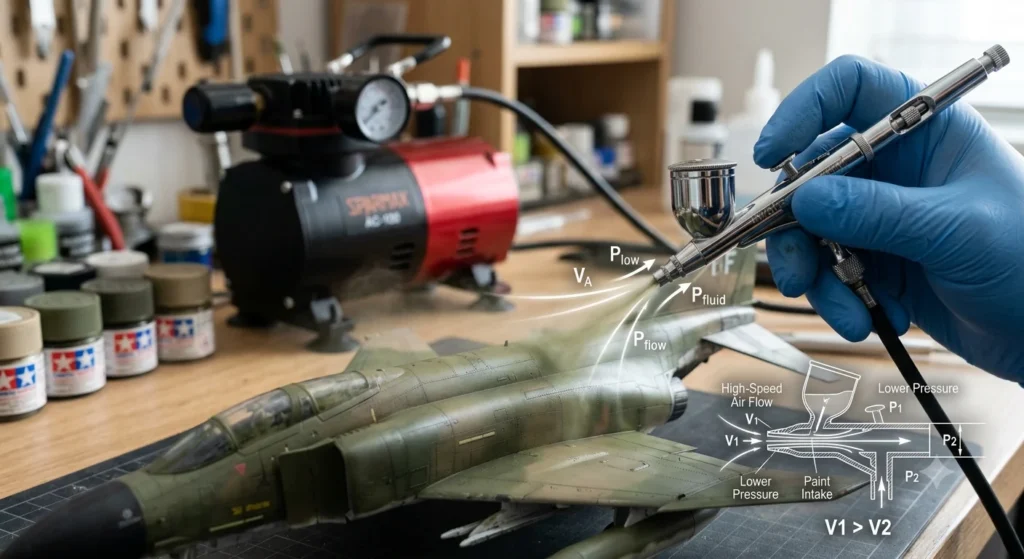
Macro extreme close-up of a premium dual-action airbrush spraying a fine paint mist onto a scale model with Bernoulli's fluid dynamics principle graphic overlays.
Understanding how air speed creates low pressure for perfect paint atomization and splatter-free airbrushing.
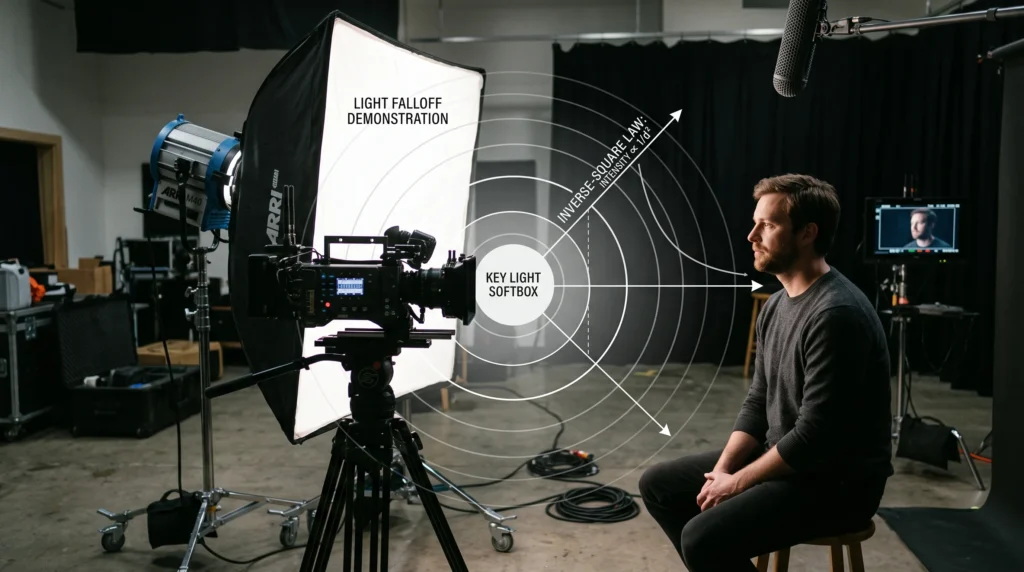
YouTube Video Noise Solution - Key Light Softbox and Inverse Square Law Setup
Positioning your key light softbox closer increases luminance and solves video noise using the inverse-square law.

Game Physics & Engineering Code

Mathematical DIY & Optimization
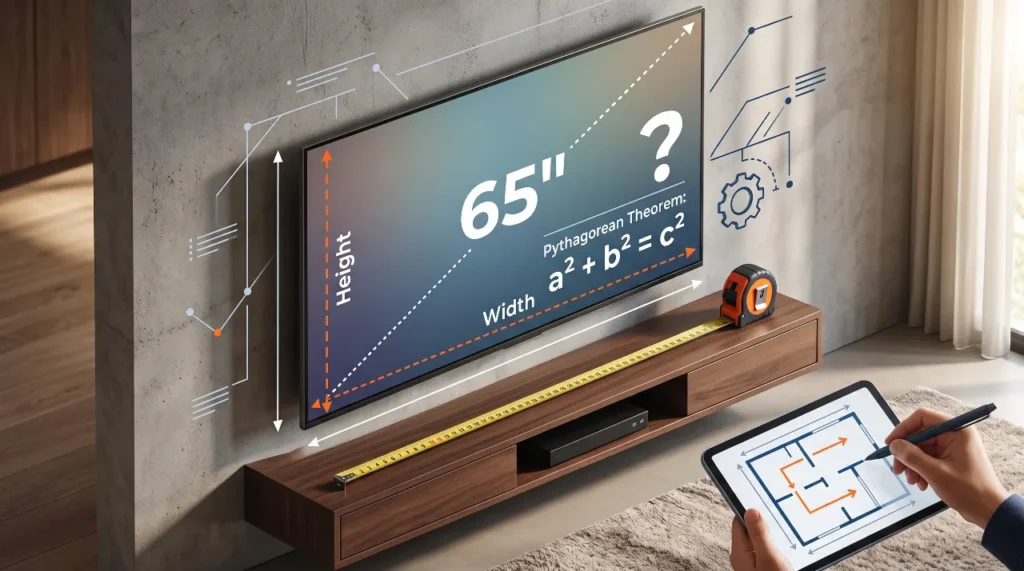
A photorealistic infographic in a modern living room showing a 65-inch TV. On the active screen, a visual guide displays the diagonal measurement '65"' alongside dimension labels for 'Width' and 'Height' and the equation 'a² + b² = c²'. A measuring tape rests on the media console below, while a hand in the foreground holds a tablet with a room layout blueprint, illustrating practical measurement planning.
Don’t guess if that big screen fits. Use the simple math shown on the display—the Pythagorean Theorem—to convert diagonal inches into precise width and height.
A seasoned camper adjusting a heavy-duty stainless steel turnbuckle on a taut triangular shade sail anchored to a timber post by a scenic mountain lake at sunrise.
Practical application of Euclidean geometry and triangle congruence principles to eliminate shade sail flutter and anchor fatigue in outdoor camping environments.
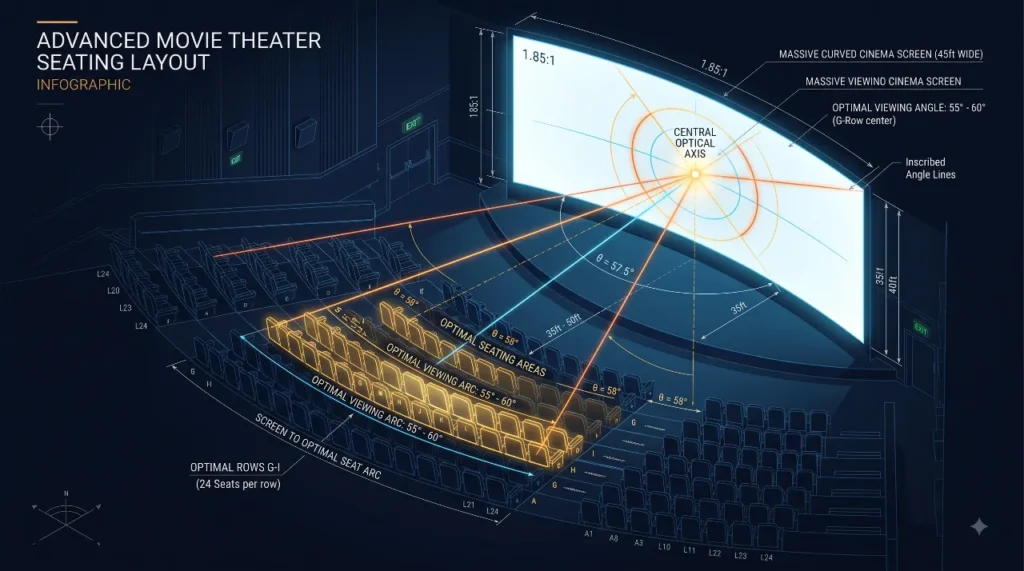
Isometric blueprint diagram of a modern cinema showing optimal seating curves and viewing angles calculated via the inscribed angle theorem.
Geometric visual representation of theater sightlines and optimal field-of-view arcs based on the inscribed angle theorem.